
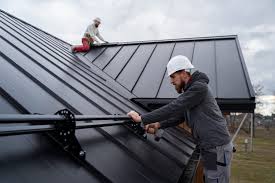
Is a Metal Roof Replacement Right for Your Home or Commercial Building?
If you’re considering a roof replacement in Los Angeles or Orange County, metal roofing is likely on your radar—and for good reason. It’s one of the fastest-growing roofing systems for both residential homes and commercial properties thanks to its durability, energy efficiency, and modern aesthetic.
But like any roofing system, metal has its tradeoffs. In this guide, we’ll break down the pros and cons of metal roofing, help you determine if it’s right for your property, and explain the science behind why tile roofing often outperforms it in Southern California climates.
What Is a Metal Roof?
A metal roof system typically consists of panels or shingles made from materials like steel, aluminum, zinc, or copper. These systems are installed over a solid substrate or framing system and are designed to provide long-term protection with minimal maintenance.
Metal roofing is especially popular for:
- Commercial buildings (warehouses, retail centers, offices)
- Modern residential homes
- Properties seeking long-term ROI on a roof replacement
Pros of Metal Roofing
1. Long Lifespan
Metal roofs can last 40–70 years, significantly longer than traditional asphalt systems. This makes them appealing for property owners planning a long-term investment.
2. Energy Efficiency
Metal reflects solar radiation, which can reduce cooling costs—especially important in hot climates like Los Angeles and Orange County. Many systems are designed with reflective coatings to further enhance efficiency.
3. Low Maintenance
Compared to other roofing systems, metal requires relatively little upkeep. It resists:
- Cracking
- Shrinking
- Warping
4. Fire Resistance
Metal roofing is non-combustible, making it ideal for areas prone to wildfires—a growing concern across Southern California.
5. Lightweight Material
Metal roofs are significantly lighter than tile or concrete, which can reduce structural load requirements during a roof replacement.
Cons of Metal Roofing
1. Higher Upfront Cost
Metal roofing systems can cost 2–3x more than asphalt shingles, making initial investment a concern for some homeowners or business owners.
2. Noise Factor
Without proper insulation, metal roofs can be noisy during rain or hail—though this is less of an issue in Southern California’s dry climate.
3. Expansion and Contraction
Metal expands and contracts with temperature changes. Over time, this can lead to:
- Fastener loosening
- Panel movement
- Potential leaks if not installed correctly
4. Denting Risk
Depending on the material (especially aluminum), metal roofs can dent from:
- Falling branches
- Foot traffic during maintenance
5. Aesthetic Limitations
While sleek and modern, metal may not match the architectural style of many homes in Los Angeles, Irvine, Newport Beach, or Pasadena, where tile roofs dominate.
The Science: Why Tile Roofing Often Performs Better in Southern California
While metal roofing has clear benefits, tile roofing (clay or concrete) is often considered the superior system for Los Angeles and Orange County properties—and the reason comes down to physics and climate compatibility.
1. Thermal Mass & Heat Regulation
Tile roofing has high thermal mass, meaning it absorbs heat slowly and releases it gradually. This creates a natural buffering effect against temperature swings.
- During the day: tiles absorb heat, preventing it from penetrating the structure
- At night: heat dissipates slowly, stabilizing indoor temperatures
Metal, by contrast, heats up quickly and transfers heat more directly unless heavily insulated.
2. Natural Ventilation Design
Tile roofs are installed with air gaps beneath the tiles, allowing for continuous airflow.
This passive ventilation:
- Reduces heat buildup
- Improves energy efficiency
- Extends roof lifespan
Metal roofing systems are typically more sealed, which can trap heat unless additional ventilation systems are installed.
3. UV Resistance
Southern California gets intense sun exposure year-round. Tile roofing is inherently resistant to:
- UV degradation
- Color fading
- Material breakdown
Metal coatings can degrade over time, requiring recoating or maintenance.
4. Longevity in Dry Climates
Tile roofs thrive in low-moisture, high-heat environments, often lasting 50–100+ years with proper maintenance—making them a premium choice for full roof replacements in the region.
Metal vs Tile: Which Roof Is Better for Replacement?
Choose Metal Roofing If:
- You want a lightweight system
- You prefer a modern or industrial look
- You’re roofing a commercial property
- You want strong fire resistance with minimal maintenance
Choose Tile Roofing If:
- You want maximum lifespan and durability
- Your property matches traditional SoCal architecture
- You want superior heat regulation and energy efficiency
- You’re investing in a long-term residential roof replacement
Metal Roof Replacement in Los Angeles & Orange County
If you’re considering a metal roof replacement in Los Angeles, Irvine, Anaheim, Long Beach, or Newport Beach, it’s critical to work with an experienced contractor who understands:
- Local building codes
- Coastal vs inland climate differences
- Proper installation techniques to prevent expansion-related issues
- Energy efficiency optimization
A poorly installed metal roof can fail prematurely—negating many of its benefits.
Get Expert Guidance on Your Roof Replacement
At Meyers Roofing Co., we specialize in full roof replacements for both residential and commercial properties across Los Angeles and Orange County. Whether you’re comparing metal vs tile roofing or need a professional inspection, we’ll help you choose the system that delivers the best long-term value.
Contact us today for a free estimate and find out which roofing system is right for your property.