
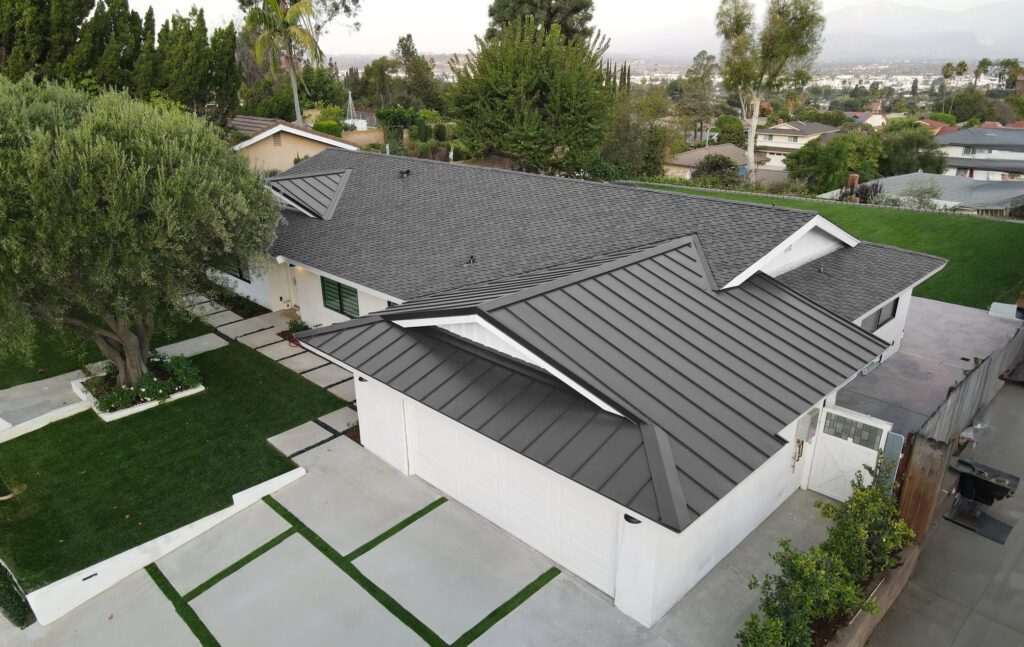
When homeowners and property managers in Los Angeles and Orange County start researching roof replacement, one of the most common questions is: what exactly makes up a roof?
Understanding the anatomy of a roofing system isn’t just educational—it directly impacts the performance, lifespan, and cost of your full roof replacement. Whether you’re in Irvine, Anaheim, Long Beach, or Newport Beach, knowing how each component works helps you make smarter decisions and avoid costly shortcuts.
Why Understanding Roof Anatomy Matters for Replacement
A roof is not just shingles or tiles—it’s a complete system designed to:
- Protect against water intrusion
- Regulate temperature and ventilation
- Withstand UV exposure and coastal conditions
- Provide structural durability
When one component fails, it often affects the entire system. That’s why professional contractors emphasize full roof replacement instead of patchwork repairs, especially in Southern California’s climate.
The Main Components of a Roofing System
1. Roof Deck (Sheathing)
The roof deck is the structural foundation of your roof, typically made of plywood or OSB.
Function:
- Supports all roofing materials above it
- Provides a base for underlayment and waterproofing layers
Replacement Insight:
During a full replacement, damaged or rotted decking must be replaced. Skipping this step can lead to premature failure—even with brand-new materials.
2. Underlayment (Waterproof Barrier)
Installed directly over the deck, the underlayment acts as a secondary water barrier.
Common Types:
- Synthetic underlayment (most common today)
- Felt (traditional option)
Function:
- Protects against moisture intrusion
- Adds an extra layer of defense during heavy rain
Why It Matters in SoCal:
Even though Los Angeles and Orange County are known for dry weather, sudden storms can overwhelm roofs. A high-quality underlayment is critical for leak prevention.
3. Ice & Water Shield (Critical Areas Protection)
This is a specialized waterproof membrane installed in vulnerable areas.
Installed At:
- Valleys
- Around chimneys
- Roof penetrations (vents, skylights)
Function:
- Prevents leaks in high-risk zones
Local Relevance:
While ice isn’t a concern in Southern California, heavy rain and debris buildup in valleys make this component essential.
4. Drip Edge (Edge Protection)
The drip edge is a metal flashing installed along roof edges.
Function:
- Directs water away from fascia and into gutters
- Prevents water from seeping under roofing materials
Common Issue:
Older homes in LA and OC often lack proper drip edge installation—something always corrected during a full replacement.
5. Flashing (Leak Prevention System)
Flashing is one of the most critical components in preventing leaks.
Installed Around:
- Chimneys
- Skylights
- Roof valleys
- Wall intersections
Function:
- Seals joints and transitions
- Redirects water away from vulnerable areas
Pro Tip:
Most roof leaks originate from failed flashing—not the main roofing material.
6. Roofing Material (The Outer Layer)
This is the visible part of your roof and your primary defense against the elements.
Common Options in Los Angeles & Orange County:
- Asphalt shingles
- Clay or concrete tile
- Metal roofing
- Flat roofing systems (TPO, modified bitumen)
Function:
- Protects against UV rays, rain, and debris
- Enhances curb appeal and property value
Replacement Focus:
Choosing the right material depends on:
- Budget
- Building type (residential vs commercial)
- Climate exposure
7. Ridge Cap (Top Seal)
The ridge cap covers the peak of your roof.
Function:
- Seals the top seam where two slopes meet
- Enhances ventilation when combined with ridge vents
8. Ventilation System (Airflow Control)
Proper ventilation is often overlooked—but it’s essential.
Components:
- Ridge vents
- Soffit vents
- Roof vents
Function:
- Regulates attic temperature
- Prevents moisture buildup
- Extends roof lifespan
Southern California Benefit:
With intense sun exposure, proper ventilation reduces heat buildup and improves energy efficiency.
9. Fascia & Soffit (Support + Ventilation)
Fascia:
- The vertical board along the roof edge
- Supports gutters
Soffit:
- Located underneath the roof overhang
- Allows airflow into the attic
Why They Matter:
These components are often damaged by water intrusion and should be inspected during any full roof replacement.
10. Gutters & Drainage System
While technically separate, gutters play a major role in roof performance.
Function:
- Direct water away from the structure
- Prevent foundation and siding damage
Local Consideration:
Debris from trees and Santa Ana winds makes proper drainage critical in LA and Orange County.
How All These Components Work Together
Think of your roof as a layered defense system:
- Outer material sheds water
- Underlayment blocks moisture
- Flashing protects weak points
- Ventilation regulates temperature
- Structure supports everything
If even one layer fails, the entire system becomes vulnerable.
Why Full Roof Replacement Is Often the Best Investment
In many cases, especially for older homes in Southern California, replacing only the visible materials isn’t enough.
A complete roof replacement ensures:
- All layers are updated and code-compliant
- Hidden damage is addressed
- Long-term leak prevention
- Better energy efficiency
- Increased property value
Signs You May Need a Full Roof Replacement
- Frequent leaks or recurring repairs
- Missing, cracked, or slipping tiles/shingles
- Soft or sagging roof areas
- Roof age exceeding 20–30 years
- Water damage in attic or ceilings
Final Thoughts: Build It Right from the Inside Out
A high-quality roof isn’t just about what you see—it’s about how every component works together. For homeowners and businesses in Los Angeles and Orange County, investing in a properly installed, full roofing system ensures long-term protection against sun, rain, and wear.
If you’re considering a roof replacement, working with an experienced contractor who understands every layer of the system is the difference between a short-term fix and a long-term solution.